In the sprawling digital battlefield, where threats lurk behind every click and data breaches are a constant specter, choosing the right cybersecurity guardian is paramount. Today, we're diving deep into the ultimate showdown: McAfee vs. Free Antivirus Solutions: A Head-to-Head Battle for superior protection. Is paying for a premium service like McAfee truly worth the investment, or can a robust free option, often exemplified by Avast's capable tier, offer comparable peace of mind?
We’ve sifted through the data, pitted features against features, and assessed real-world performance to give you the unvarnished truth. This isn’t just about blocking malware; it’s about your digital life, your privacy, and your peace of mind.
At a Glance: Your Quick Breakdown
- Core Protection: Both McAfee and Avast (even the free tier) offer strong fundamental malware defense. You're getting solid protection either way.
- Protection Efficacy: Avast generally edges out McAfee in overall efficacy, particularly in offline detection and fewer false positives.
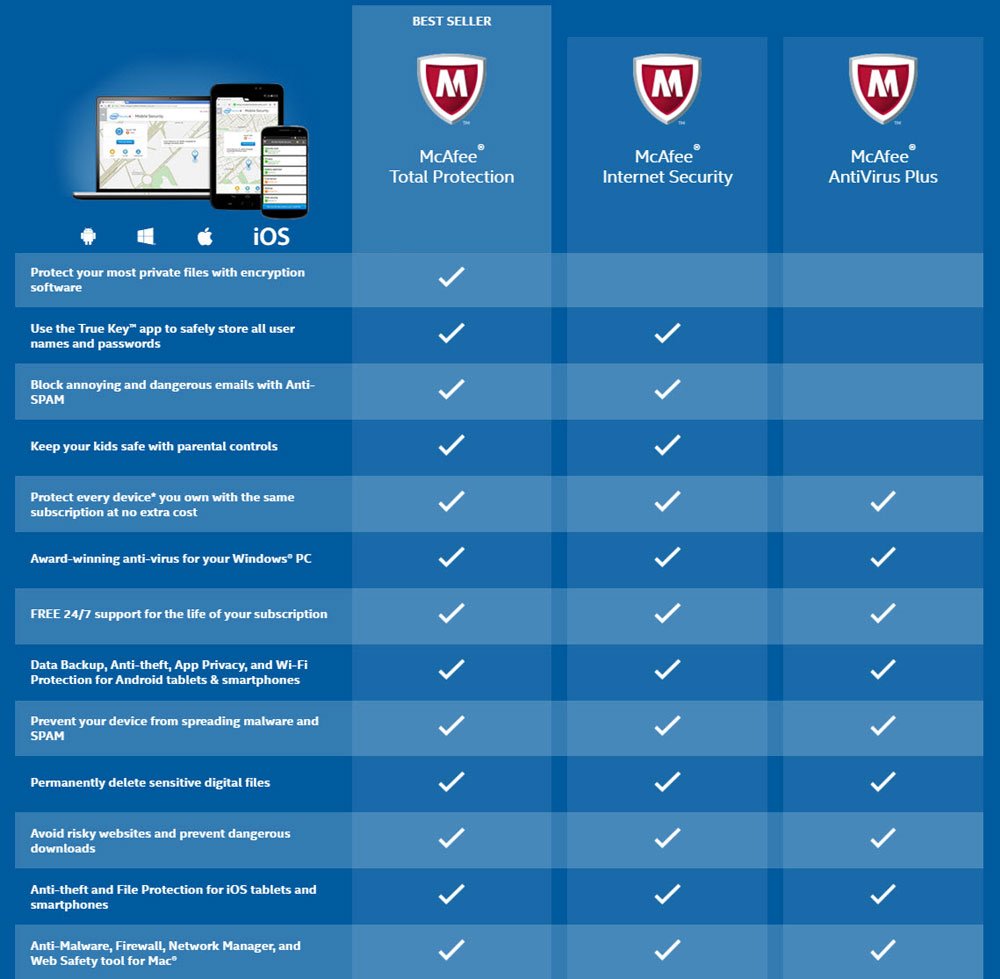
- Feature Set: McAfee offers a significantly richer suite of premium features, including extensive identity theft protection, robust parental controls, and an unlimited VPN in all paid tiers.
- Free Tier Value: Avast's free solution is genuinely capable for basic malware protection, making it a strong contender if budget is your primary concern and you don't need advanced extras.
- System Impact: Both are remarkably lightweight, meaning neither will noticeably slow down your computer.
- Pricing: McAfee offers a broader range of premium plans, while Avast One's paid tiers provide incremental upgrades from its free offering, with significant discounts for first-year subscribers.
The Big Picture: Why This Battle Matters
For decades, antivirus software has been the digital sentry standing guard over our personal computers. The landscape has evolved dramatically, moving beyond simple virus scanning to comprehensive security suites that tackle everything from ransomware and phishing attempts to identity theft and privacy concerns. This evolution brings a critical question to the forefront: can "free" truly stand up to "paid" when it comes to safeguarding your most sensitive digital assets?
McAfee, a household name since 1987, has consistently aimed to be that all-encompassing protector. On the other side, Avast, which originated a year later, carved its niche by offering a highly effective free product that served as an entry point to its premium offerings. It’s a classic David vs. Goliath narrative, but in this story, both contenders are seasoned giants in their own right. Understanding their strengths and weaknesses is crucial for making an informed decision about your digital security posture.
Meet the Contenders: McAfee vs. Avast (The Free Champ)
Let’s quickly introduce our heavyweights.
McAfee has built its reputation on offering comprehensive security suites, targeting users who want an all-in-one solution for their various digital needs. From basic antivirus to advanced identity protection, McAfee bundles a wide array of tools into its paid subscriptions. It's often seen as the premium choice for those looking to cover all their bases.
Avast, on the other hand, gained mainstream adoption largely through its freemium model. Its free antivirus has consistently been a top performer, providing strong core malware defenses without costing a dime. For many, Avast's free tier is the benchmark for what free security should be, offering a reliable safety net for everyday internet use. Their paid "Avast One" suites expand on this, adding advanced features like enhanced VPN and identity protection.
Round 1: Protection Efficacy – The Ultimate Test
When you invest in an antivirus, whether with cash or just your trust, the fundamental expectation is rock-solid protection. So, how do McAfee and Avast measure up against the latest threats?
Both solutions perform admirably in keeping threats at bay, a testament to their long-standing expertise. However, a deeper dive into their efficacy reveals some interesting distinctions.
Online Threat Detection & Protection
McAfee demonstrates strong capabilities in the online arena, achieving a 99.6% detection rate and an impressive 99.96% online protection score. This means it’s highly effective at spotting and blocking threats as you browse the web or download files. Avast isn't far behind, scoring 99.3% for online detection and matching McAfee's 99.96% online protection. In real-time web protection, it’s virtually a tie.
Offline Threat Detection: What Happens Without a Connection?
Here’s where a more significant difference emerges. McAfee, while robust online, struggled somewhat with offline detection, registering 79.3%. This suggests it relies more heavily on cloud-based intelligence. Avast, by contrast, excelled in this category, achieving a strong 97.7% offline detection rate. If you frequently work without an internet connection, this gap could be a critical factor.
False Positives: The Annoying Alarms
False positives occur when your antivirus mistakenly flags a legitimate file or activity as malicious. While a few false positives are tolerable, too many can be frustrating, leading you to ignore real warnings. McAfee generated 15 false positives in testing, indicating a slight tendency to be overcautious. Avast was more precise, with only 10 false positives. Fewer false alarms mean a smoother, less interrupted user experience.
The Verdict on Efficacy: While both are excellent, Avast is slightly more effective overall, particularly when it comes to offline threats and minimizing false alarms.
Round 2: Feature Face-Off – Beyond Basic Scans
Antivirus software today is far more than just a malware scanner. It’s a suite of tools designed to protect various aspects of your digital life. Here, the differences between McAfee’s paid offerings and Avast’s free (and paid) tiers become much more pronounced.
Real-time Threat Detection: Who Catches the Sneakiest Threats?
Both McAfee and Avast continuously monitor your system for suspicious activity.
- McAfee leverages machine learning to offer proactive protection, giving it a slight edge in identifying brand-new threats before they’re widely known. This cutting-edge approach, however, sometimes contributes to its higher false positive rate.
- Avast continuously monitors application behavior, scans files as they’re accessed, screens online activities, and blocks unknown remote connections. It also proactively notifies users of email data breaches, adding another layer of real-time awareness.
Firewall Power: Guarding Your Digital Gates
A good firewall is your first line of defense against network-based attacks.
- Avast’s firewall takes comprehensive control over your system's defenses, allowing for fine-tuning of rules for individual applications and network connections. It provides a robust, configurable barrier.
- McAfee’s solid firewall effectively monitors outgoing connections, preventing malicious software from "phoning home." However, it delegates handling inbound traffic to your operating system's built-in firewall, offering fewer configuration options directly within McAfee itself. If you prefer granular control, Avast has an edge here.
Identity Theft Protection: Safeguarding Your Personal Data
This is where premium services often shine, and McAfee takes a significant lead.
- McAfee’s 'Premium' and 'Ultimate' plans offer a comprehensive suite of identity protection tools. This includes personal data scans (checking if your info is exposed online), identity monitoring, credit and bank account monitoring, and the ability to freeze your security report. Crucially, they also provide ransomware coverage up to $25,000 and extensive identity theft coverage up to $2 million.
- Avast One’s ‘Gold’ plan provides credit monitoring, one-on-one assistance if your identity is compromised, and up to $1 million in identity theft reimbursement. While valuable, it’s slightly less comprehensive than McAfee's top-tier offerings.
If identity theft is a major concern, McAfee’s advanced plans offer far more extensive safeguards.
Virtual Private Network (VPN): Browsing Securely
VPNs are essential for privacy, especially on public Wi-Fi.
- McAfee includes an unlimited data VPN across all its paid tiers, offering access to over 9,000 servers across 48 countries. Key features like auto-connect, split tunneling (to route some traffic outside the VPN), and a kill switch (to prevent data leaks if the VPN drops) are standard.
- Avast offers a limited VPN in its free tier (capped at 5GB data and restricted to one location). Upgrading to a paid Avast One plan removes the data cap and grants access to 59 locations. For serious VPN users, McAfee's approach is more generous from the outset.
Password Management: Simplifying Your Security
Strong, unique passwords for every account are non-negotiable, but managing them is a chore.
- McAfee includes its 'True Key Password Manager' in all its paid tiers. It supports multi-factor authentication for extra security and allows you to import existing passwords. However, it lacks advanced features like automatic form filling or secure password sharing, which some dedicated password managers offer.
- Avast One does not include a password manager in any of its tiers. You'd need a separate solution for this.
Parental Controls: Keeping Kids Safe Online
For families, parental controls are often a make-or-break feature.
- McAfee offers extensive parental controls, providing peace of mind for parents. These features include app and website tracking, screen time monitoring, content blocking, and even GPS location tracking with notifications. This makes it a strong contender for households with children.
- Avast has no built-in parental controls within its antivirus or Avast One suites.
Bonus Tools & Utilities: The Little Extras That Count
Beyond the core security features, both offer handy utilities.
- Both McAfee and Avast include a file shredder, allowing you to securely delete sensitive files beyond recovery.
- Avast adds a suite of maintenance tools to its paid offerings, such as PC Speedup, a driver updater, and Disk Cleaner, which can help keep your system running smoothly.
- McAfee provides a unique feature to find and erase unused online accounts, helping you minimize your digital footprint and reduce data breach risks.
Feature Set Summary: McAfee’s premium plans clearly offer a more comprehensive suite of features, especially in identity protection and parental controls. Avast provides solid core security and useful maintenance tools in its paid versions but lacks some of McAfee's specialized offerings.
Round 3: System Performance – Speed & Smoothness
No one wants their security software to hog system resources and slow down their computer. Fortunately, both McAfee and Avast are designed to be efficient.
In performance tests, McAfee recorded an impact score of 2.6, indicating it's very resource-friendly. Avast followed closely with a score of 3.8. To put this in perspective, lower numbers mean less system impact. Both are considered "super fast," and most users are unlikely to notice any significant difference in speed or responsiveness while either is running in the background. You won't have to choose between security and a snappy system here.
Round 4: Ease of Use – Navigating Your Digital Fortress
Even the most powerful security software is useless if it's too complicated to use. Both McAfee and Avast understand this, offering streamlined user interfaces.
Both solutions are praised for their sleek, modern, and well-organized interfaces. Critical features are generally accessible with just a few clicks, making them user-friendly even for those who aren't tech-savvy.
- McAfee typically uses a left sidebar navigation paired with shortcut tiles on the main dashboard, allowing quick access to different security modules.
- Avast One features a 'Home' screen that highlights pressing matters or recommended actions, with an 'Explore' menu for delving into more advanced features and settings.
While the intuitive design is a boon for the average user, some security enthusiasts might find both interfaces a bit too simplistic, preferring more granular control or advanced data presentation. However, for most, the clear layouts make managing your security straightforward.
Investment & Value: Unpacking the Price Tags
The "free" in "free antivirus" is undeniably appealing, but it comes with limitations. Understanding the pricing structures for both McAfee and Avast One’s paid tiers is essential to determine true value.
It's important to remember that renewal prices for both services are generally double the first-year cost, so always factor that into your long-term budget.
McAfee Pricing (First-Year)
McAfee offers several tiers, catering to different needs and device counts:
- Basic: $29.99/year (1 device)
- Essential: $35.99/year (up to 5 devices)
- McAfee+ Premium: $44.99/year (unlimited devices, includes comprehensive identity protection, VPN, and parental controls)
- McAfee+ Advanced: $80.99/year (adds more identity monitoring features)
- McAfee+ Ultimate: $199.99/year (the most extensive identity protection with higher coverage)
Avast One Pricing (First-Year)
Avast One provides a free option and several paid upgrades:
- Free ‘Basic’ tier: (1 device, includes core antivirus, limited VPN with 5GB data cap and one location, no identity protection). This is a strong starting point for basic needs.
- Avast One Silver Individual: $35.88/year (3 devices, unlimited VPN, no identity protection)
- Avast One Gold Individual: $83.88/year (5 devices, includes credit monitoring and up to $1M identity theft protection, unlimited VPN)
- Family variants: For households with many devices:
- Silver Family: $59.88/year (up to 30 devices, unlimited VPN)
- Gold Family: $113.88/year (up to 30 devices, identity protection, unlimited VPN)
Value Proposition: Avast’s free tier is an excellent choice for basic protection if you’re on a tight budget and don’t need extras like a comprehensive VPN or identity theft coverage. For those considering paid options, McAfee offers a more feature-rich suite from its 'Premium' tier upwards, especially in identity protection and parental controls. Avast One Gold provides a good balance if you need core protection, a decent VPN, and some identity monitoring without the full breadth of McAfee's top-tier features.
The Verdict: Who Wins Your Digital Security Battle?
Ultimately, the victor in the McAfee vs. Free Antivirus Solutions: A Head-to-Head Battle isn't a single product, but rather the solution that best aligns with your specific needs, risk tolerance, and budget. Both McAfee and Avast, in their respective categories, deliver robust core malware protection, which is the cornerstone of any good security strategy.
Choose Avast Free if...
- You need reliable, basic malware protection without spending a dime. Avast's free tier is genuinely effective for detecting and blocking common threats.
- You're comfortable sourcing other security tools separately. This means finding your own password manager, VPN (if you need unlimited data), and identity protection services.
- You prioritize excellent offline detection and fewer false positives. Avast consistently performs better in these areas.
Choose Avast One Paid if...
- You want to enhance your basic Avast protection with an unlimited VPN. The Silver Individual or Family plans are a good fit.
- You need some identity protection and credit monitoring, but don't require McAfee's extensive coverage. The Gold Individual or Family plans offer a solid upgrade.
- You appreciate Avast's additional maintenance tools like PC Speedup and Disk Cleaner.
Choose McAfee if...
- You want a comprehensive, all-in-one security suite. McAfee bundles a robust antivirus with an unlimited VPN, identity theft protection, and parental controls under one roof.
- Identity theft protection is a top priority. McAfee's 'Premium' and 'Ultimate' plans offer significantly more extensive coverage and features in this area.
- You need extensive parental controls to manage your children's online activities and screen time.
- You're willing to pay a premium for a more feature-rich and integrated experience, understanding that the initial year discount will give way to higher renewal prices.
To truly assess McAfee's true value, consider its full suite of features against the cost, especially for identity protection and parental controls.
Common Questions & Your Next Steps
Still weighing your options? Let's tackle some frequently asked questions.
Is free antivirus truly safe?
Yes, for basic protection. Reputable free antivirus solutions like Avast Free provide strong core malware defense. They monitor for threats, scan files, and block malicious websites. However, they typically lack advanced features like VPNs, identity theft protection, parental controls, or comprehensive firewalls found in paid suites. "Safe" is relative to your risk profile and digital habits.
When should I consider upgrading from a free antivirus?
You should consider upgrading when your digital life expands beyond basic browsing. This includes:
- Storing sensitive personal data on your computer.
- Conducting online banking or shopping regularly.
- Having children who use the internet (for parental controls).
- Using public Wi-Fi frequently (for VPN).
- Being concerned about identity theft.
- If you notice your free antivirus missing threats or if you desire a more comprehensive, integrated security solution.
What's the real difference between 'detection' and 'protection'?
- Detection refers to the antivirus's ability to identify a threat (e.g., spotting a virus signature in a file).
- Protection refers to its ability to prevent that threat from executing or causing harm (e.g., quarantining the file, blocking access to a malicious website). A high detection rate is good, but a high protection rate is what truly keeps you safe.
Is McAfee known for false positives?
While McAfee is highly effective at detecting threats, independent tests have shown it can generate a slightly higher number of false positives compared to some competitors, including Avast. This means it might occasionally flag a legitimate file or program as malicious, requiring your attention. It's often a trade-off for its proactive, machine-learning-driven detection.
Your decision rests on a careful evaluation of what you genuinely need to protect your digital world. If you're looking for an expansive, all-encompassing digital guardian that handles everything from malware to identity theft and family safety, McAfee's premium tiers offer a compelling package. If, however, your primary concern is robust, no-frills malware protection, and you're comfortable patching together other security services, Avast's free antivirus remains an exceptionally strong contender. Choose wisely, and secure your digital future.